 Geo
Geo Eng
Eng

Workshop
CeramicArt
japaridzeart@gmail.com
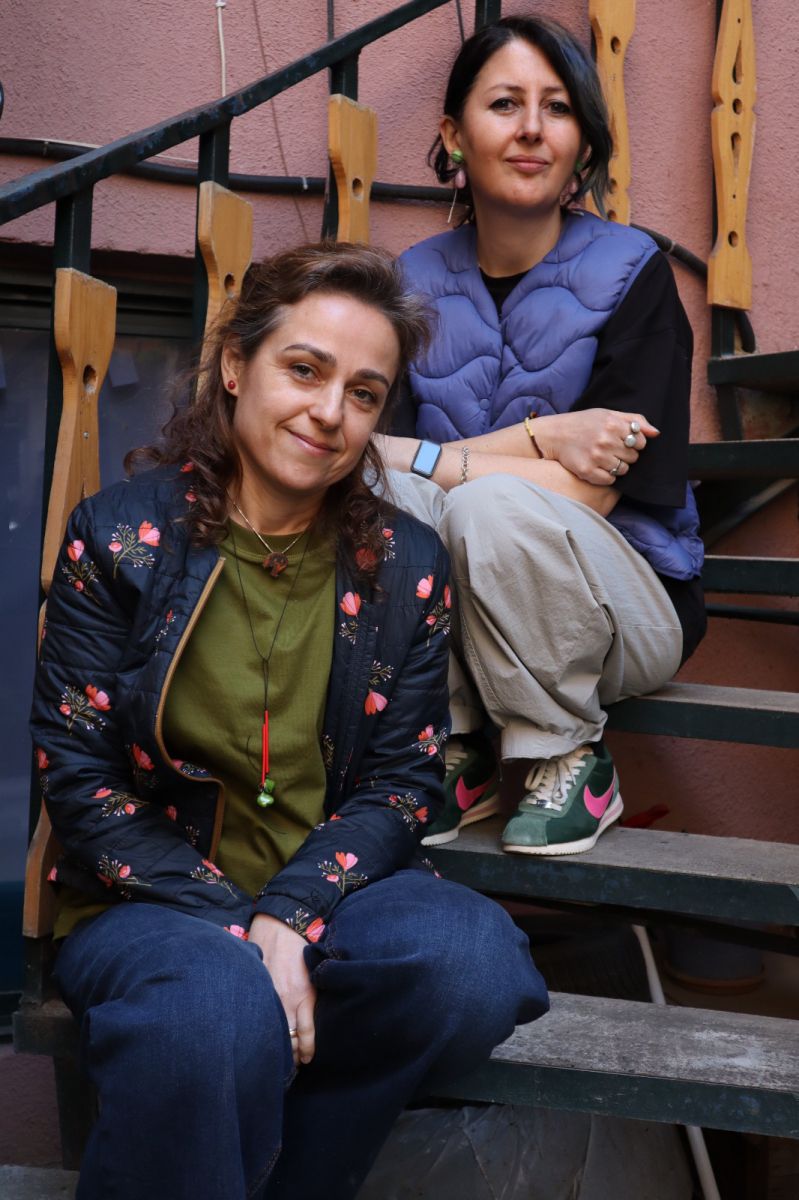
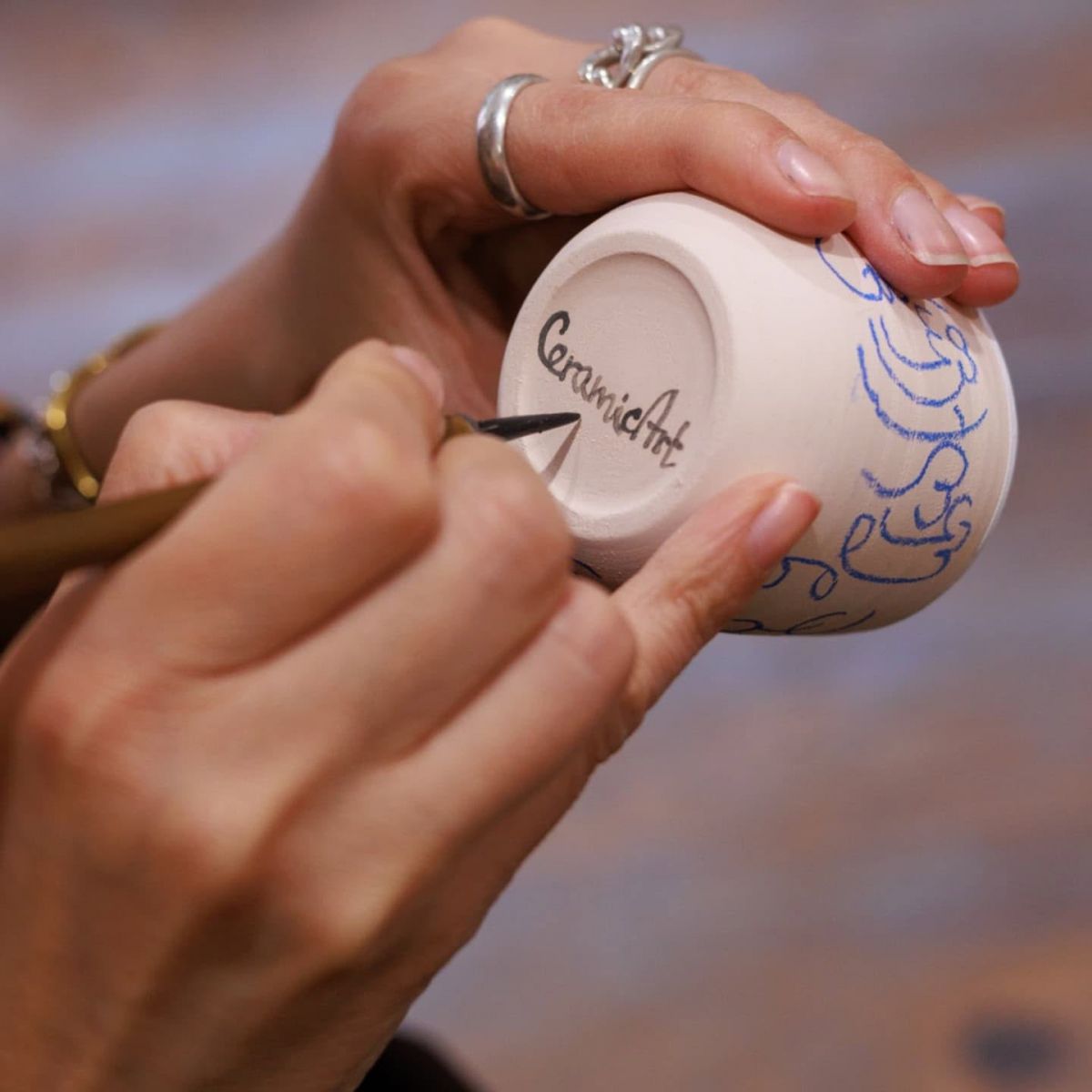
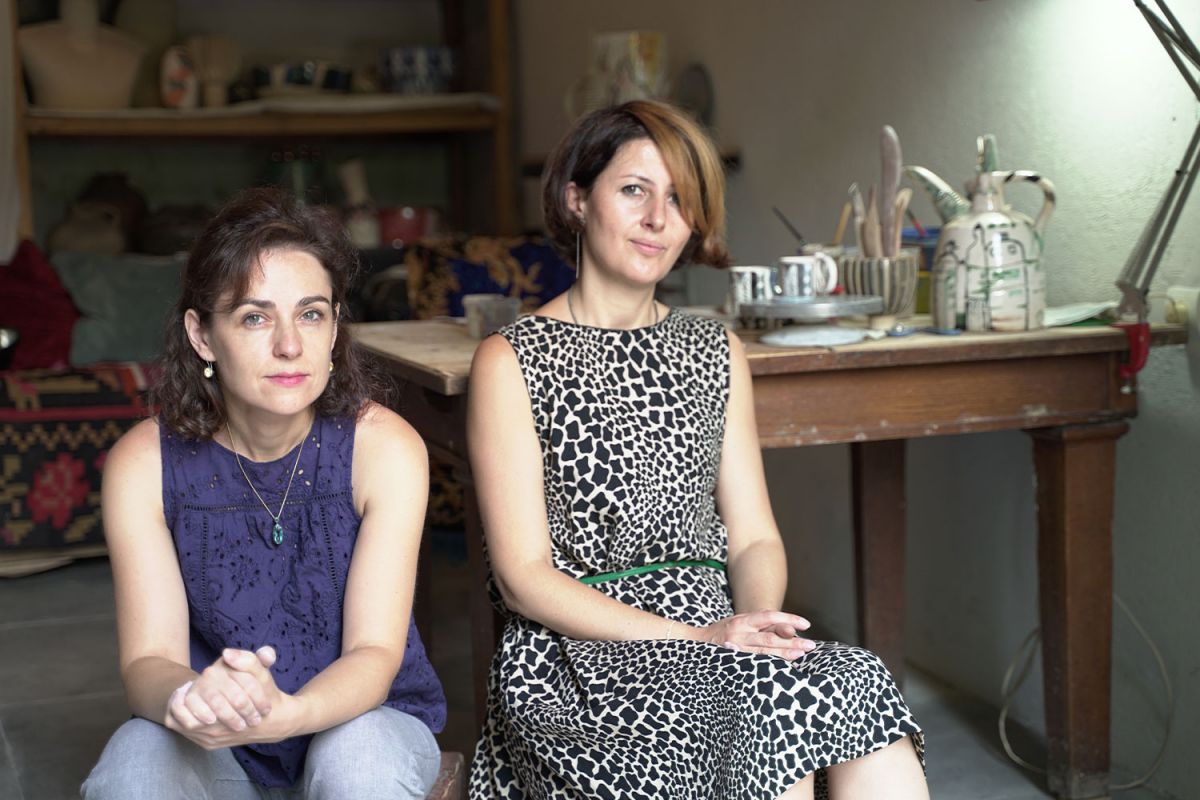
CeramicArt is the creative laboratory of two ceramic designers and friends, Ana Japaridze and Nino Kopaladze, founded in 2006.
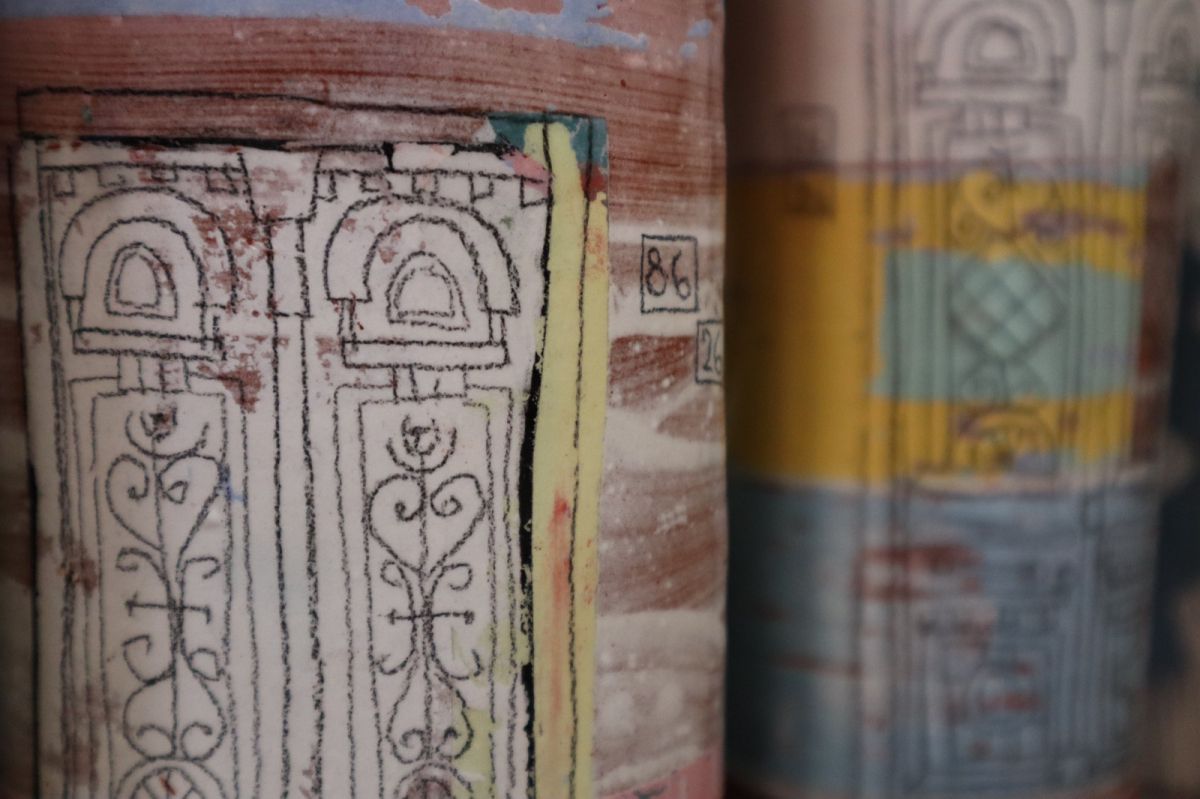
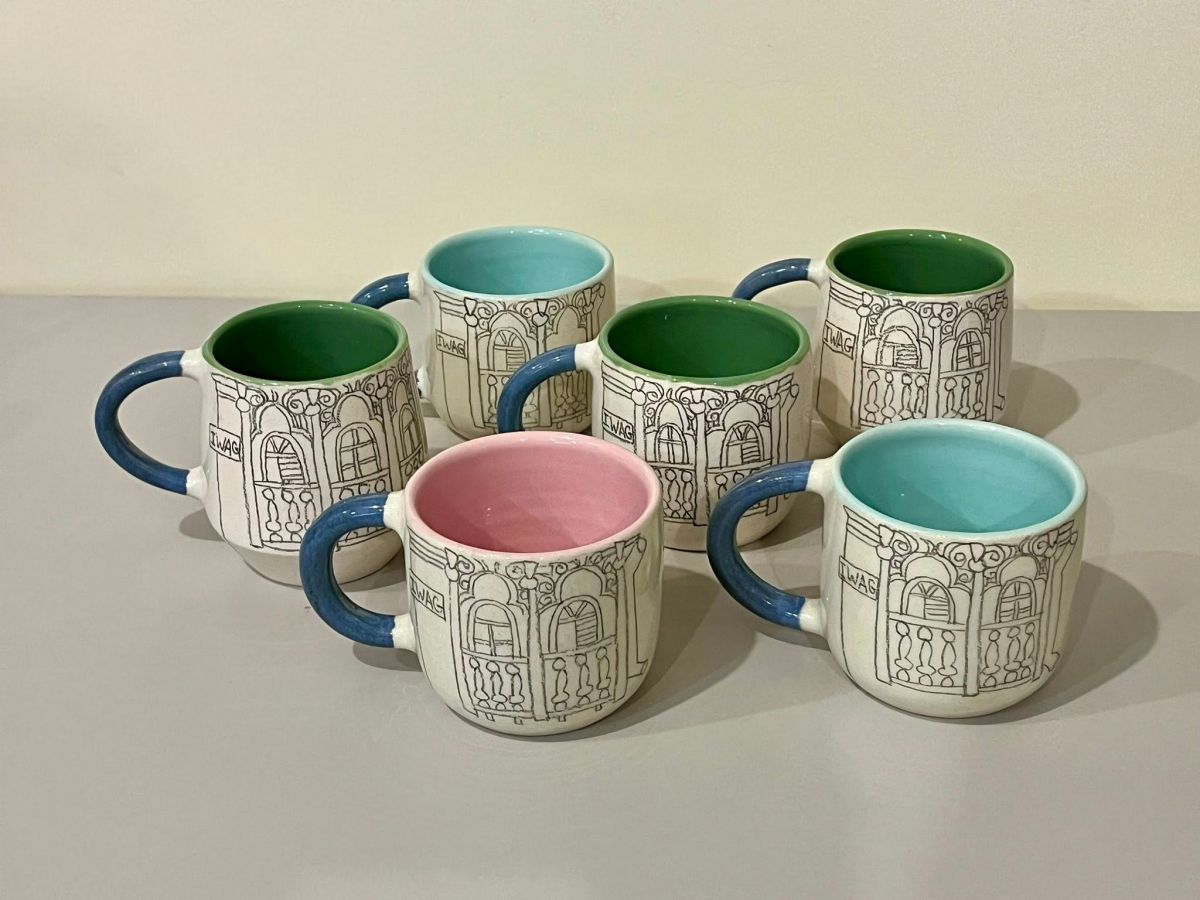
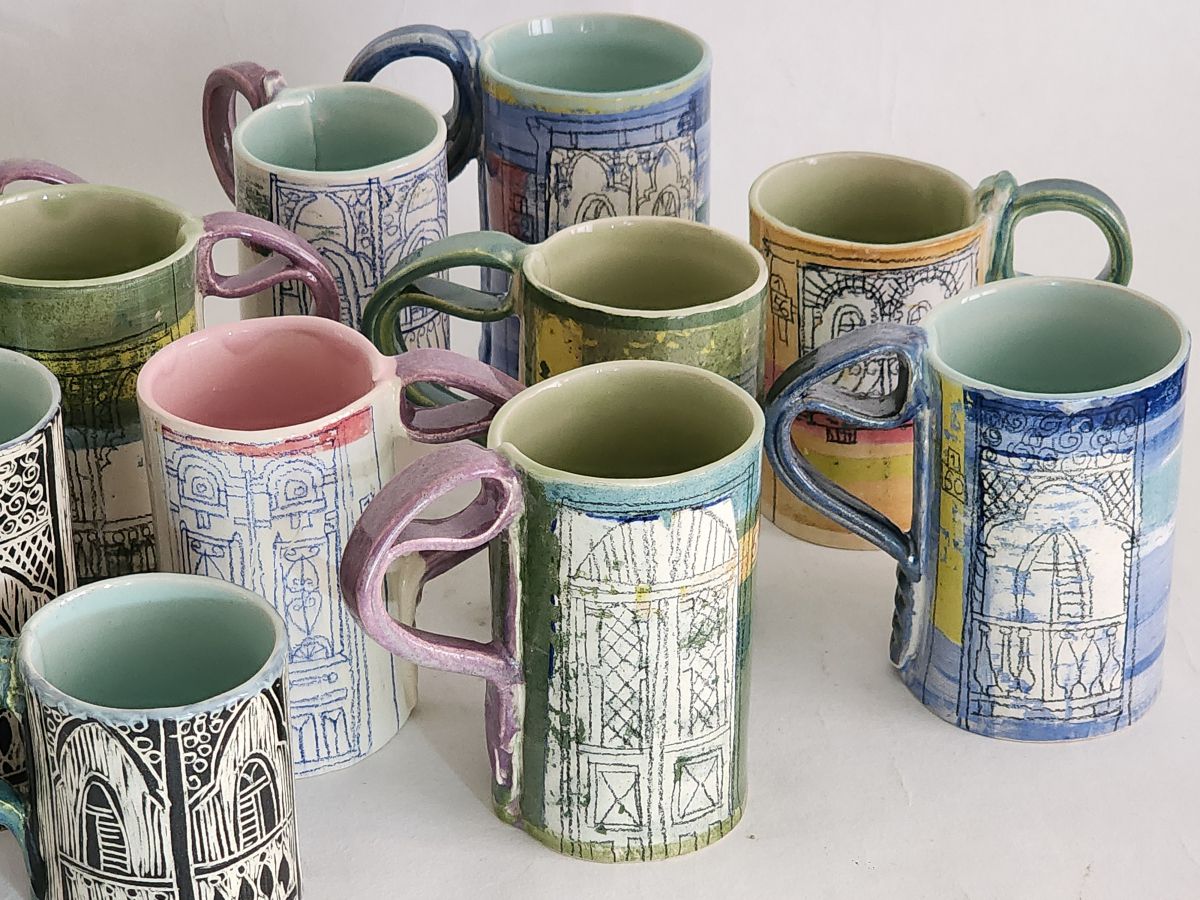
Here, contemporary design merges with cultural heritage, transforming fragments of Tbilisi’s everyday life and historical architecture into functional forms. For CeramicArt, ceramics serve as a medium through which the urban memory of the city is preserved and retold.
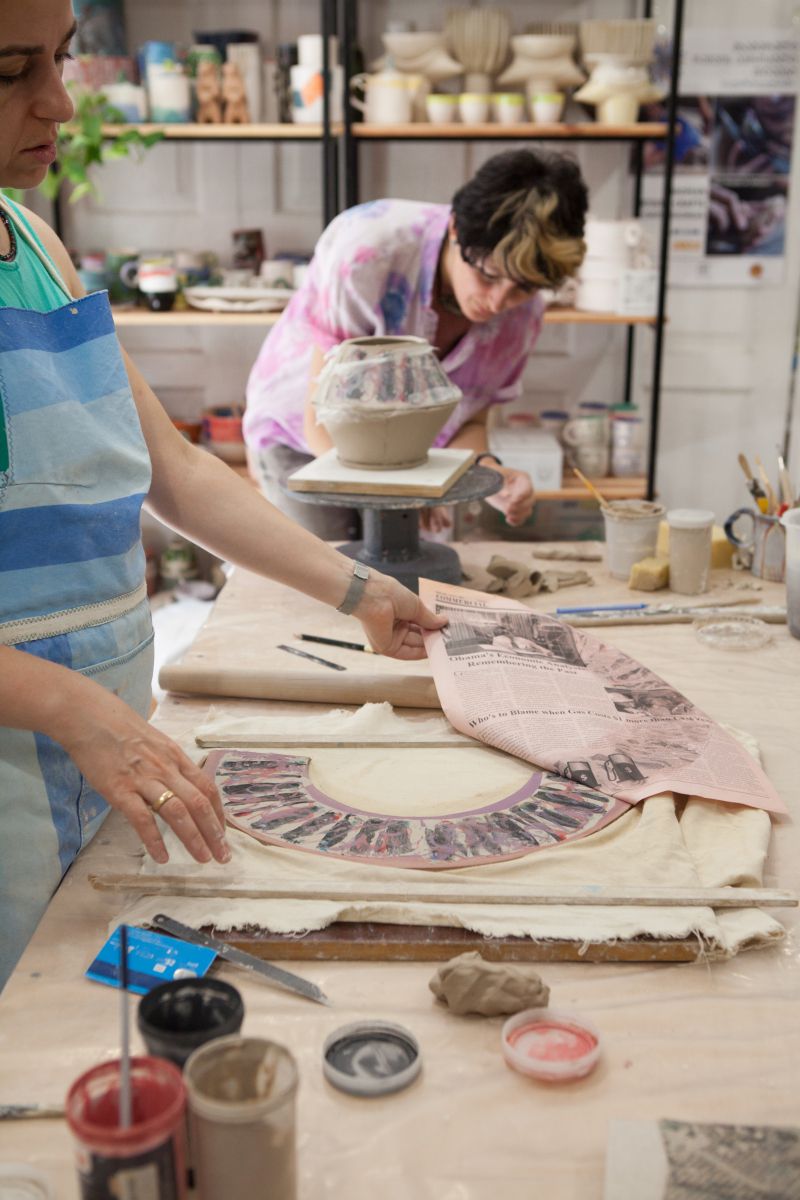
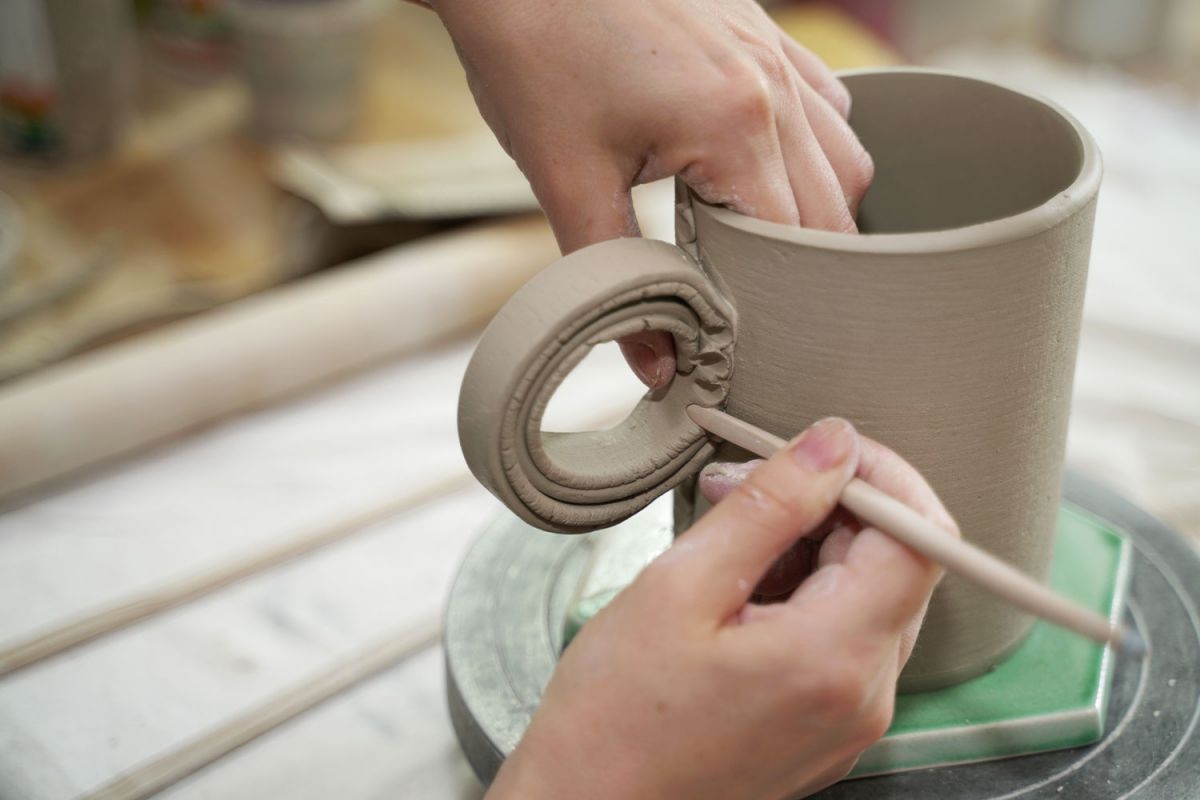
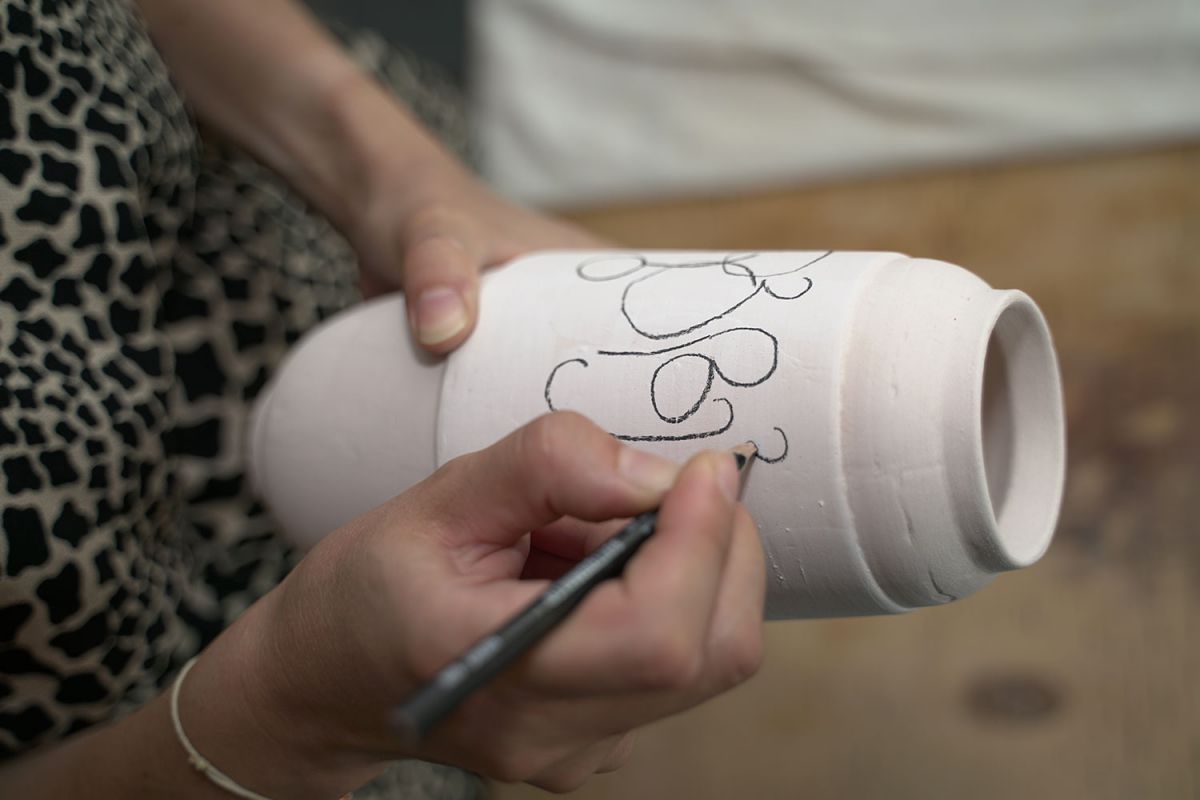
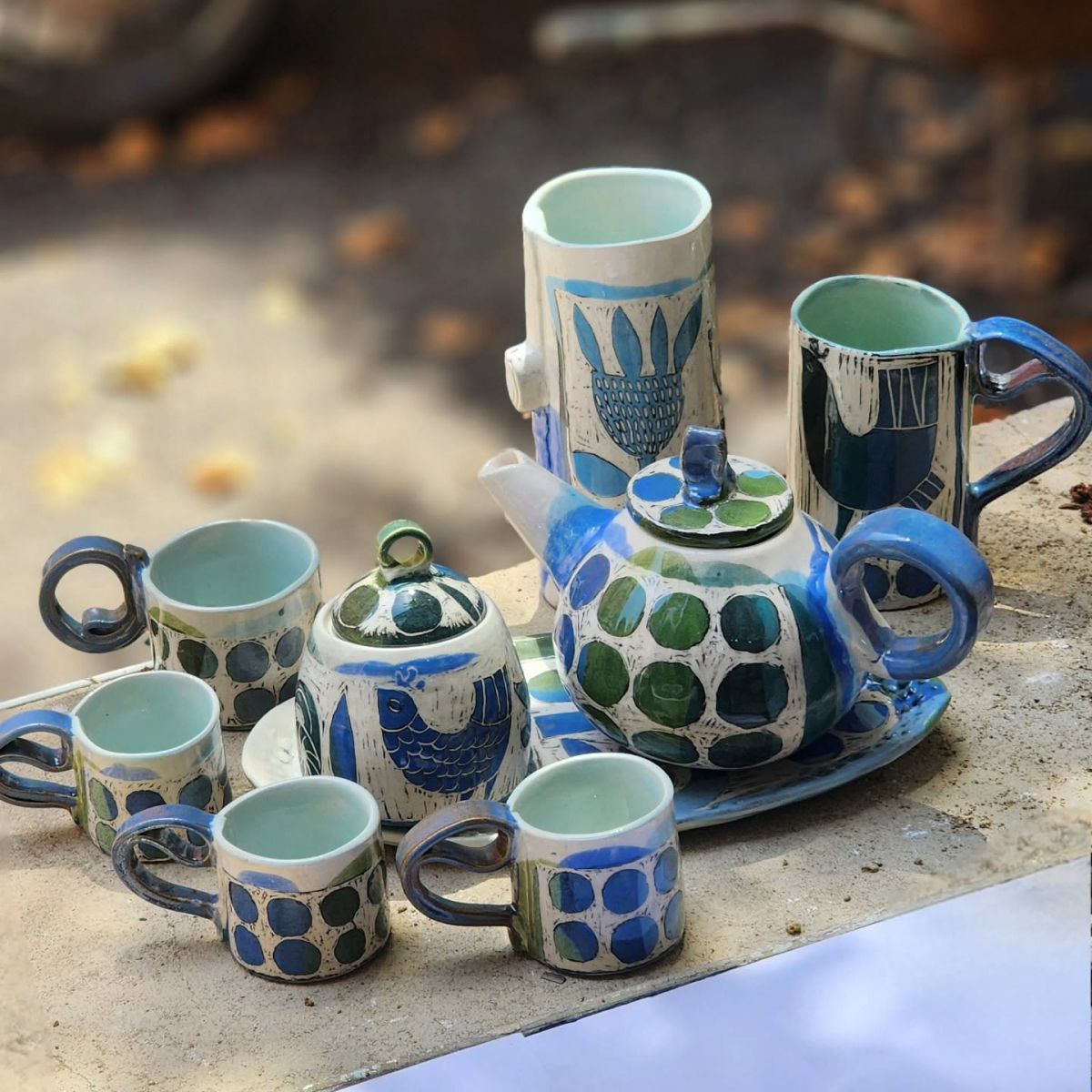
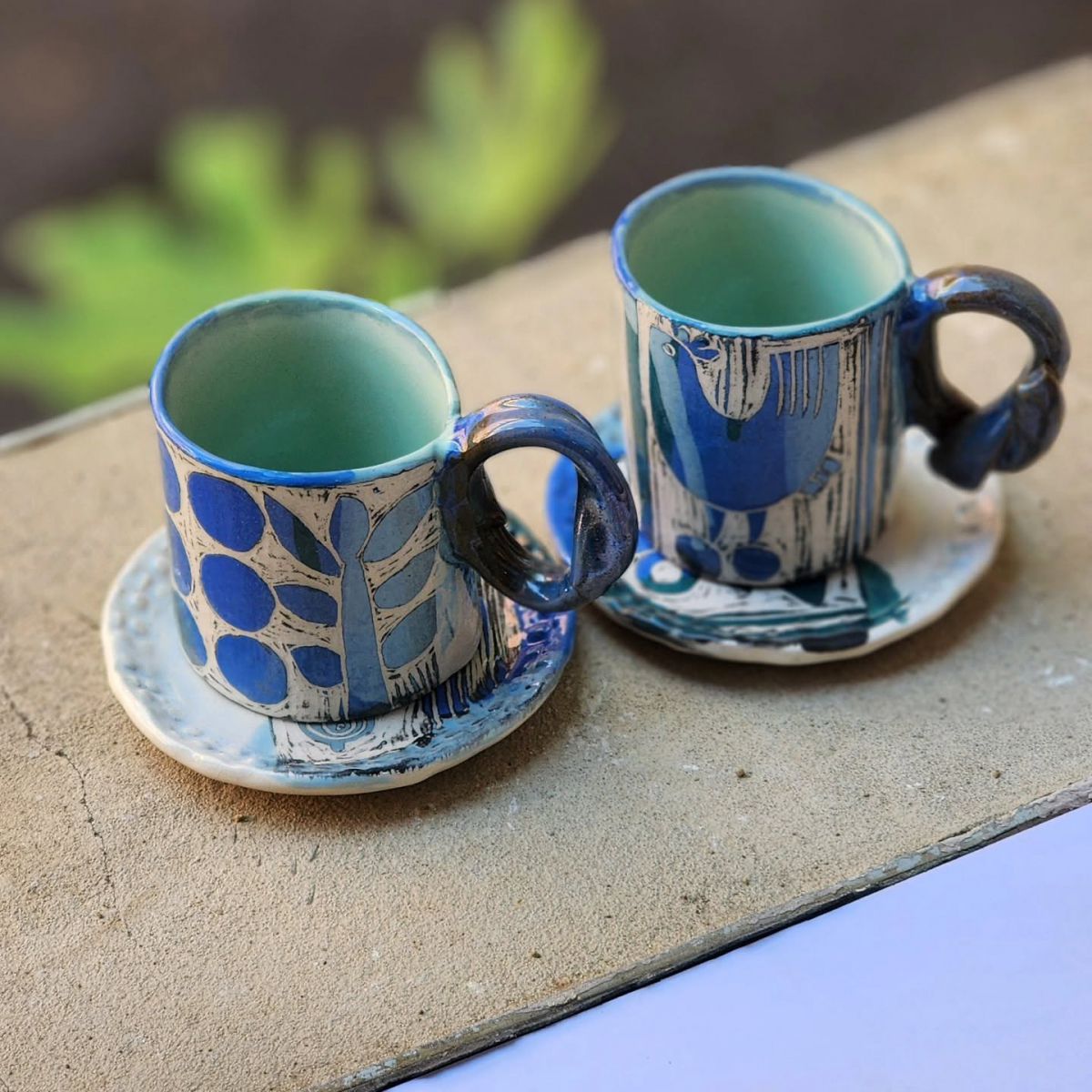
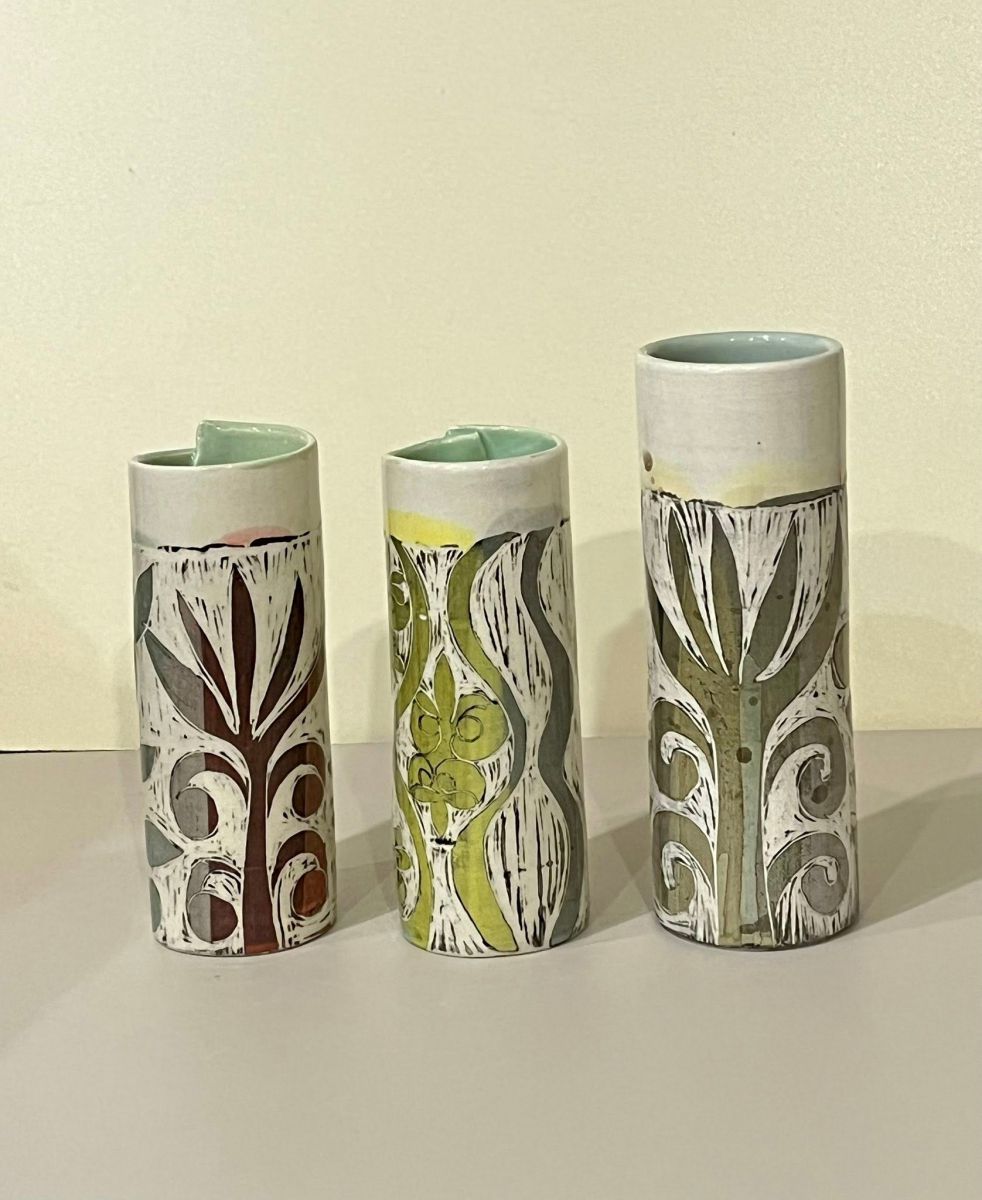
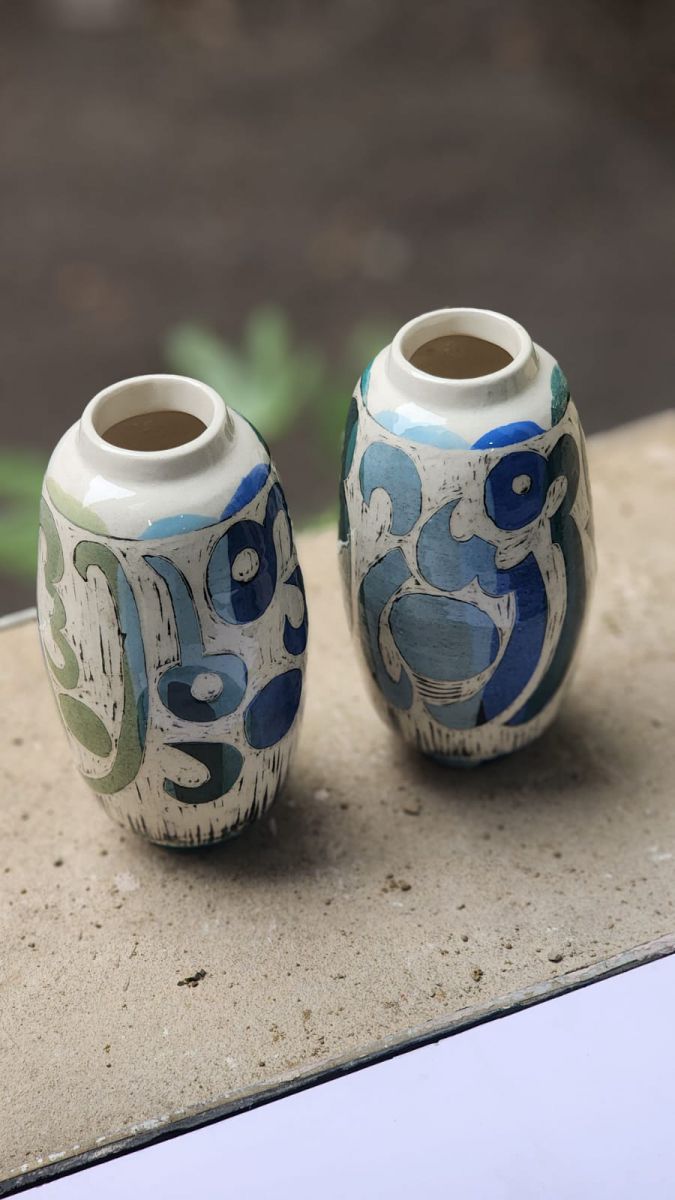
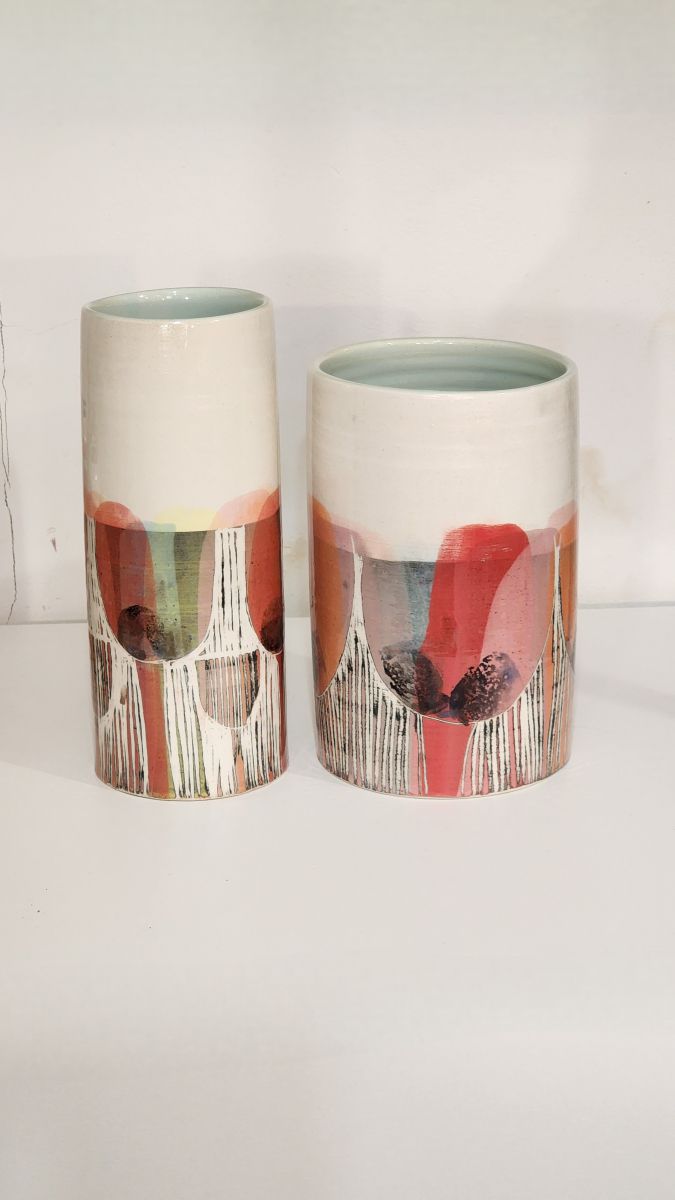
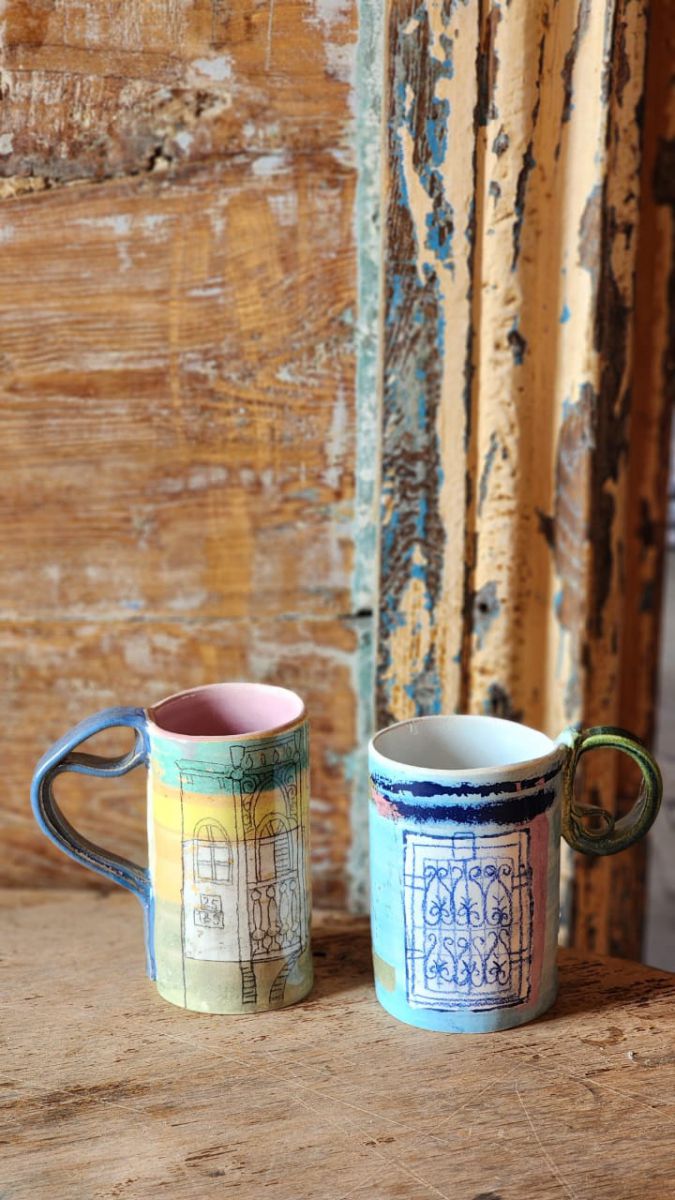
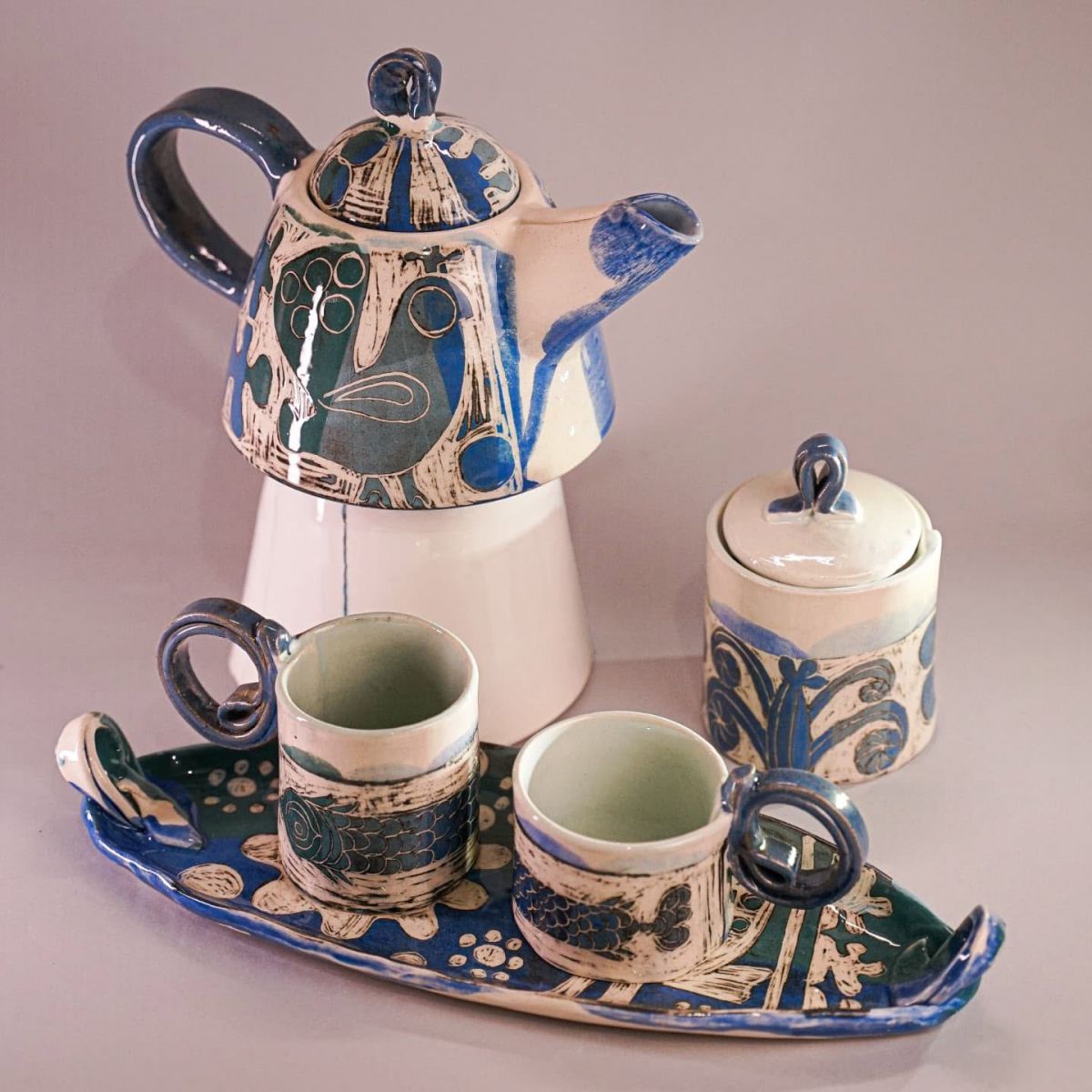
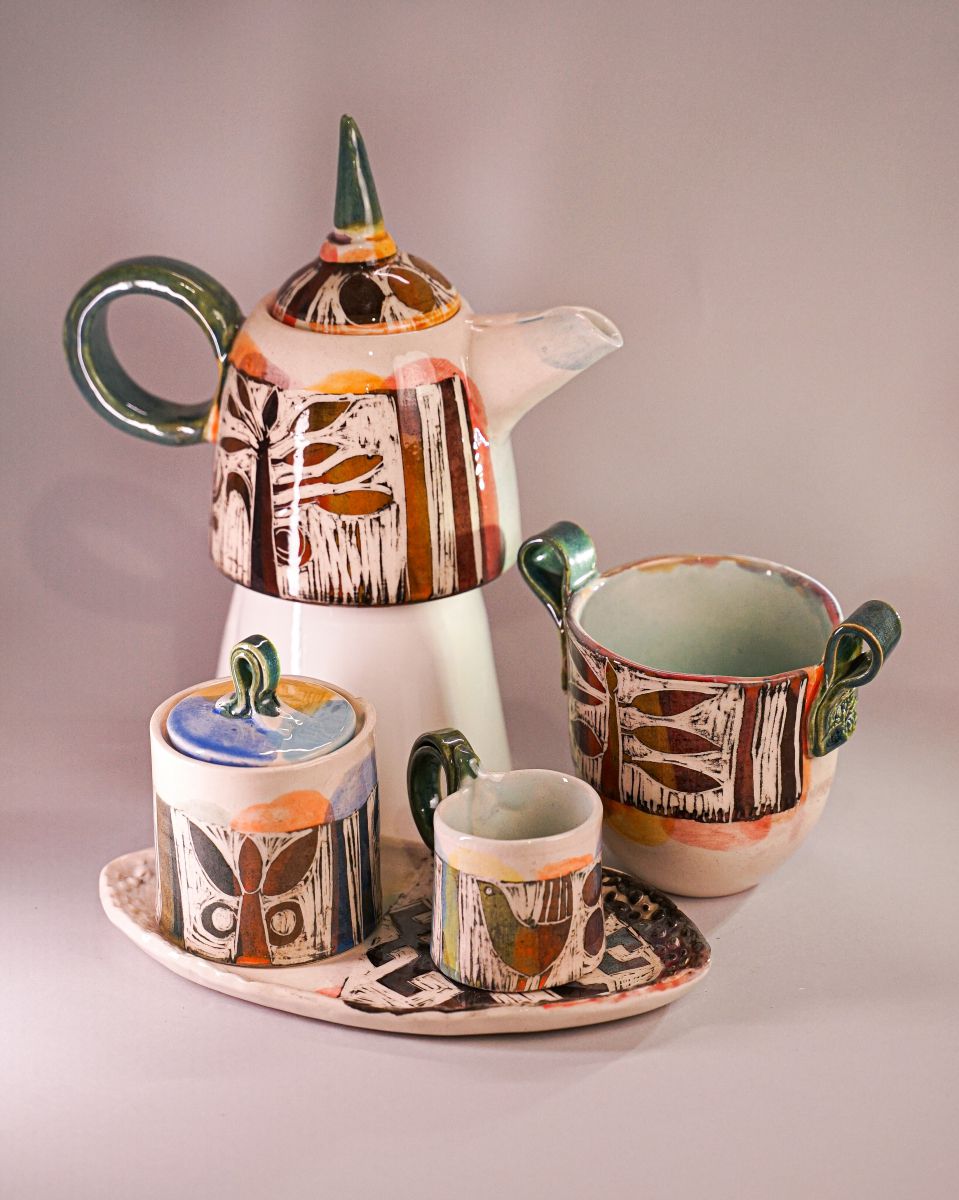
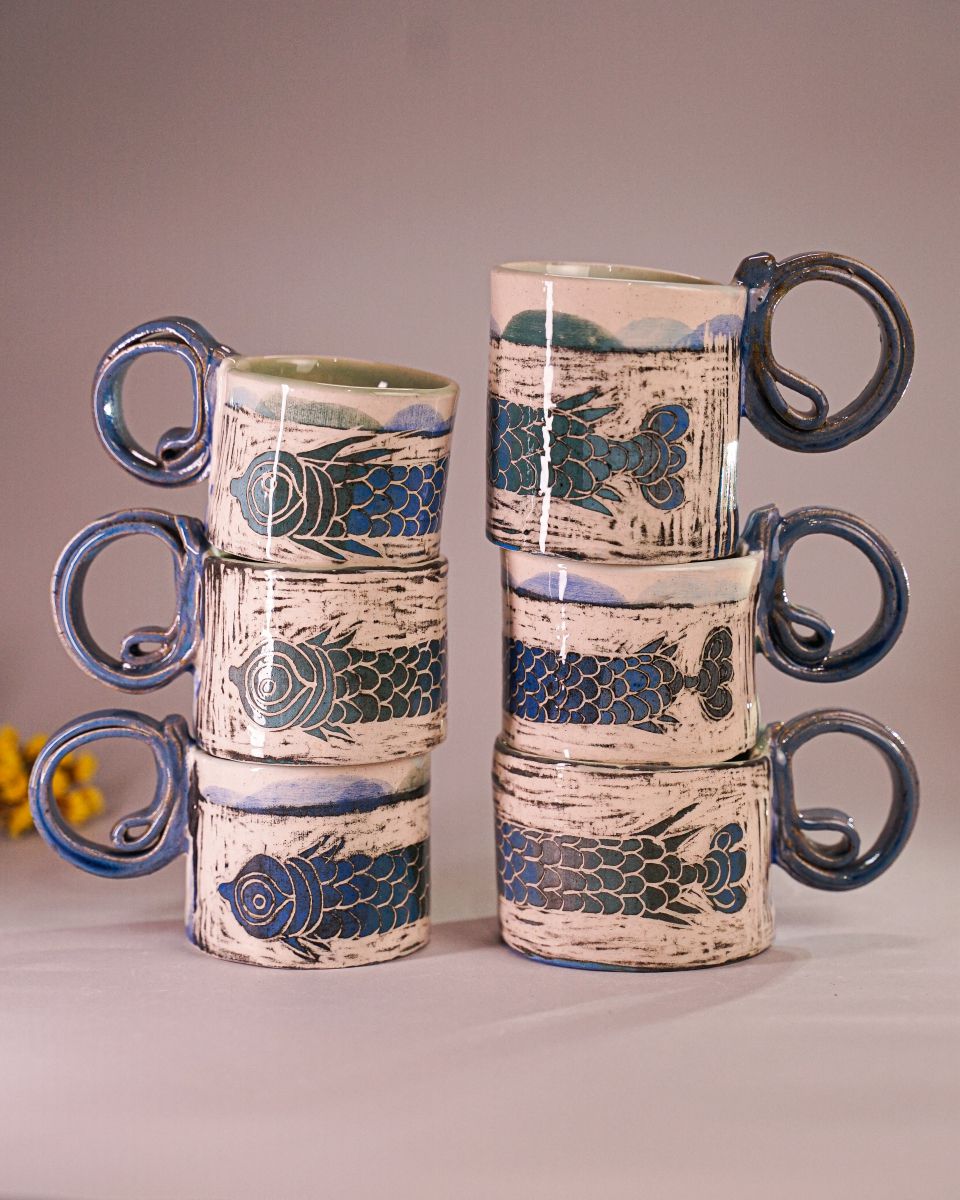
The process of creating each piece is both complex and experimental. Every object is unique, making it difficult to reproduce exactly. Their work encompasses the creation of both decorative and functional ceramic pieces, including cups, plates, various types of tableware, and interior objects.
Their primary sources of creative inspiration are nature and Georgia’s cultural heritage. The architectural details of Old Tbilisi’s balconies, the ornaments of traditional textiles, and the forms of historic Georgian pottery are often reflected in their creations. However, rather than directly copying these elements, they offer contemporary interpretations of them, breathing new life into cultural motifs through objects intended for everyday use.
Among their most renowned collections are cups and tableware adorned with the delicate openwork ornaments characteristic of Old Tbilisi balconies, as well as pieces inspired by the decorative motifs of traditional Georgian blue tablecloths. These works frequently feature zoomorphic and anthropomorphic imagery, including deer, ibexes, lions, fish, birds, and human figures. It is these collections that have brought them wide recognition and earned them the admiration and affection of the public.
At the same time, the studio also serves as a space for sharing knowledge and experience, hosting workshops and educational activities that introduce both adults and children to the art of ceramics and encourage appreciation for traditional craftsmanship.
CeramicArt’s vision is to create ceramics that are not only aesthetically appealing but also carry the traces of the culture and era from which they emerge, preserving stories of the past while remaining meaningful in contemporary life.